
Quick Answer
Orthodontic treatment is a step-by-step process designed to improve the alignment of teeth, the way the upper and lower jaws meet, and overall oral function. It usually begins with an examination and treatment planning, followed by tooth movement using braces or aligners. Regular appointments help monitor progress, make adjustments, and keep treatment on track until the desired result is achieved.
Key Takeaways
- Orthodontic care starts with an examination, diagnosis, and personalized treatment plan.
- Treatment options may include traditional braces, clear aligners, or other orthodontic appliances.
- Regular follow-up visits help monitor tooth movement and address changes during treatment.
- Retainers are an important part of maintaining the final alignment after active treatment.
Starting orthodontic treatment involves more than simply placing braces or receiving a set of aligners. It is a carefully planned process that considers tooth alignment, jaw relationships, facial balance, oral health, and the way the teeth function together. Understanding what happens from the first appointment through the final result can make the experience feel more predictable and help patients know what to expect at every stage.
What Happens During the First Orthodontic Visit?
Examination and Dental Assessment
The first visit focuses on understanding your current oral health and identifying any alignment concerns. An orthodontic professional examines the position of the teeth, the relationship between the upper and lower jaws, spacing or crowding, and how the teeth come together when you bite.
Depending on the individual case, diagnostic records may include dental photographs, digital scans, X-rays, or other measurements. These records give the orthodontist a clearer picture of what is happening beneath and around the teeth.
This stage is also useful for identifying issues that may need attention before orthodontic treatment begins. For example, cavities, gum problems, or inadequate oral hygiene may need to be addressed first.
Discussing Your Treatment Goals
Orthodontic care should reflect both clinical needs and the patient’s goals. During the initial discussion, you may talk about concerns such as crowded teeth, gaps, an uneven bite, or difficulty cleaning certain areas.
Your orthodontist can explain whether treatment is recommended, what improvements may be possible, and which options could suit your situation.
How Is an Orthodontic Treatment Plan Created?
After the examination and diagnostic assessment, the orthodontist develops an individual treatment plan. This plan considers factors such as the amount of tooth movement needed, jaw development, bite relationship, age, oral health, and the expected response to treatment.
Understanding Bite and Tooth Alignment
Straightening teeth is only one part of orthodontic care. The way the teeth meet can affect chewing, comfort, speech, and long-term oral function. When the upper and lower teeth do not meet properly, treatment may focus on bite correction as well as improving tooth alignment.
The treatment plan may therefore involve moving individual teeth, changing their positions within the dental arch, or guiding the relationship between the upper and lower teeth.
Choosing the Right Orthodontic Appliance
There is no single appliance that works best for every patient. The appropriate option depends on the complexity of the case, treatment goals, lifestyle, and clinical recommendations.
Clear Aligners
Clear aligners are removable trays designed to gradually move teeth into planned positions. Patients typically wear them for most of the day and change to a new set according to the treatment schedule.
They can be appealing to patients who prefer a less noticeable option. However, aligners require consistent wear and may not be appropriate for every type of orthodontic problem. Your orthodontist can determine whether they can achieve the movements required in your case.
Dental Braces
Braces use brackets and orthodontic wires to apply controlled forces to the teeth. They can address a wide range of alignment and bite concerns and remain a common treatment option for children, teenagers, and adults.
Modern dental braces may be smaller and more comfortable than older designs, while different bracket systems can provide options based on individual needs.
What Happens During Active Treatment?
Once the appliance is placed or the aligner plan begins, the active phase focuses on gradual tooth movement. Teeth do not move safely into their final positions overnight. Orthodontic forces need to be carefully controlled and monitored over time.
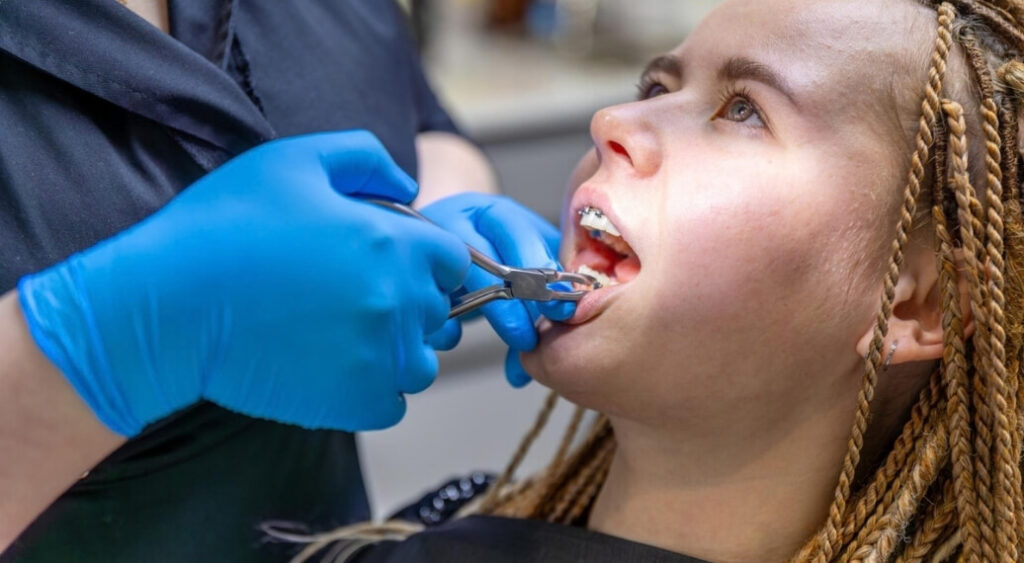
Regular appointments allow the orthodontist to evaluate progress and make necessary adjustments. With braces, this may involve changing or adjusting wires and other components. With aligners, appointments can be used to assess progress and determine whether the next stages are proceeding as planned.
How Long Does Orthodontic Treatment Take?
Treatment time varies considerably from one patient to another. Mild alignment concerns may require less time, while complex bite problems or significant tooth movement can take longer.
Age, biological response, treatment complexity, appliance type, and patient cooperation can all influence the timeline. Missed appointments or inconsistent aligner wear can also affect progress.
Rather than relying on a fixed timeline, patients should view treatment duration as an estimate that can change as the orthodontist monitors their response.
What Should You Do During Treatment?
Good oral hygiene becomes especially important during orthodontic care. Brackets and wires can create additional areas where food particles and plaque collect, while aligners need to be removed before eating and cleaned appropriately.
Patients should continue brushing thoroughly and cleaning between the teeth. Regular dental checkups are also important because orthodontic treatment does not replace routine preventive dental care.
Following instructions about appliance use, elastics, aligner wear, and appointment schedules can help treatment progress efficiently.
Reaching the Final Result
When the teeth have reached their planned positions and the bite is functioning appropriately, the active phase of treatment comes to an end. However, orthodontic care does not necessarily stop when braces are removed or the final aligner is completed.
The teeth naturally experience forces from the lips, cheeks, tongue, and surrounding tissues. Without retention, teeth can gradually shift from their treated positions.
Why Retainers Matter
Retainers help maintain the alignment achieved during active treatment. They may be removable or fixed, depending on the patient’s needs and the orthodontist’s recommendation.
Wearing retainers as instructed is an important part of protecting the treatment result. Long-term retention is often necessary because maintaining alignment is an ongoing process rather than a one-time step.
Frequently Asked Questions
1. Is orthodontic treatment painful?
Patients may experience pressure, tenderness, or mild discomfort after braces are adjusted or when starting a new aligner. This usually improves as the mouth adapts.
2. Can adults get orthodontic treatment?
Yes. Adults can receive orthodontic care when their teeth and supporting tissues are healthy enough for treatment. The appropriate approach depends on their individual dental and orthodontic needs.
3. How often are orthodontic appointments needed?
Follow-up appointments vary depending on the treatment method and stage of care. Your orthodontist will establish a schedule based on how your teeth are responding.
4. Do I need retainers after treatment?
In most cases, some form of retention is recommended after active orthodontic treatment. Retainers help reduce the risk of unwanted tooth movement and preserve the alignment achieved.
5. Does orthodontic treatment affect my daily oral hygiene routine?
Yes, braces require extra care when brushing and flossing, while clear aligners should be removed before eating and cleaned regularly. Good oral hygiene helps prevent cavities, plaque buildup, and gum problems during treatment.
Orthodontic care is a planned journey that begins with diagnosis and consultation, continues through carefully monitored tooth movement, and ends with retention to help preserve the result. Knowing what each stage involves can help patients make informed decisions and feel more confident throughout treatment. If you are considering treatment and want to understand which approach may suit your needs, scheduling an orthodontic consultation in Hebron can be a useful first step toward a healthier, better-aligned smile.