
Quick Answer
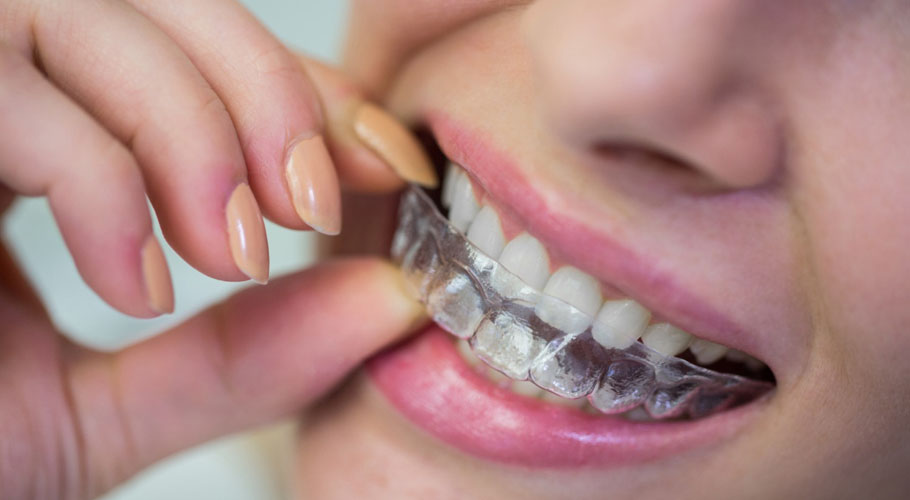
Clear aligners are custom-made, removable trays that gradually shift your teeth into better alignment using gentle, controlled pressure. The process begins with a professional evaluation, followed by digital treatment planning and a series of aligners designed specifically for your smile. As you progress through each set, your teeth move closer to their ideal positions until treatment is complete.
Success depends on wearing your aligners consistently and attending regular checkups. With the right care and commitment, clear aligners can provide a comfortable and discreet way to achieve a healthier, straighter smile.
A straighter smile is about more than appearance. Properly aligned teeth are often easier to clean, can improve your bite, and may contribute to better long-term oral health. That’s why many patients are choosing clear aligner treatment as a modern alternative to traditional braces.
Understanding how clear aligners work can help you feel more confident before starting your smile journey. While the process is carefully planned by a dental professional, each stage is designed to move your teeth gradually, making treatment predictable, comfortable, and tailored to your unique needs.
What Are Clear Aligners?
Clear aligners are transparent, removable orthodontic appliances designed to gently reposition your teeth over time. Unlike traditional braces that rely on brackets and wires, aligners fit snugly over your teeth and apply controlled pressure to encourage gradual movement.
One of the reasons they’re so popular is their convenience. Because they’re removable, you can eat your favorite foods, brush and floss more easily, and continue your daily routine with minimal disruption. Their nearly invisible appearance also makes them an appealing option for teens and adults who want a more discreet orthodontic solution.
Although they can address many common alignment concerns, every smile is different. A professional evaluation is the best way to determine whether clear aligners are the right choice for your needs.
The Clear Aligner Journey: Step by Step
Every smile is unique, but the treatment journey generally follows the same series of carefully planned steps. From your first visit to the final retainer, each stage builds on the previous one to ensure your teeth move safely and efficiently.
Step 1: Your Orthodontic Consultation
Every successful smile transformation starts with an orthodontic consultation. During this appointment, your dentist will evaluate your teeth, gums, jaw alignment, and bite to understand your overall oral health.
You’ll also discuss your smile goals, whether you’re looking to correct crowding, close gaps, or improve your bite. This conversation helps determine whether clear aligners are the most suitable option or if another treatment may better address your needs.
The consultation is also an opportunity to ask questions about the expected timeline, daily responsibilities, and what results you can realistically achieve. Establishing clear expectations from the beginning helps create a smoother treatment experience.
Step 2: Digital Scans and Personalized Treatment Planning
Once you’re approved for treatment, the next step involves creating a detailed digital model of your teeth. Instead of messy traditional impressions, many practices now use a digital smile scan to capture highly accurate images of your smile.
These digital images are used to map out how your teeth will move throughout treatment. Using advanced planning software, your dentist can visualize each stage of movement and design custom clear aligners that guide your teeth into their desired positions gradually.
This personalized planning is one of the biggest advantages of modern aligner therapy. Rather than relying on a one-size-fits-all approach, every aligner is created specifically for your smile, helping improve both comfort and precision.
Step 3: Receiving Your Custom Aligners
Once your treatment plan is finalized, your series of custom clear aligners is fabricated based on your digital treatment plan. Each aligner is slightly different from the last, allowing your teeth to move little by little throughout the process.
At your fitting appointment, you’ll receive instructions on how to insert and remove the aligners properly, how to clean them, and when it’s time to switch to the next set. Your dentist will also make sure the first aligner fits comfortably before you begin treatment.
Although the trays are designed for comfort, it’s normal to experience mild pressure when starting a new set. This sensation is usually temporary and is a sign that the aligners are guiding your teeth as planned.
Step 4: Wearing Your Aligners Consistently
One of the most important factors in achieving successful results is wearing clear aligners as directed. Most treatment plans recommend wearing them for 20 to 22 hours each day, removing them only for eating, drinking anything other than water, brushing, and flossing.
Consistency allows the gentle pressure from each aligner to move your teeth according to your treatment plan. Frequently leaving them out or forgetting to switch aligners on schedule can delay progress and affect your final results.
Keeping your aligners clean is equally important. Rinsing them regularly and cleaning them with the recommended products helps prevent stains, odors, and bacteria buildup while maintaining good oral hygiene throughout treatment.
Step 5: Monitoring Progress Throughout Treatment
As your smile gradually changes, you’ll attend periodic checkups so your dentist can monitor your progress and ensure everything is moving as expected. These appointments help confirm that your teeth are responding appropriately to each stage of teeth straightening.
If necessary, small adjustments can be made to keep your orthodontic treatment on track. Most patients also receive their next sets of aligners during these visits, allowing treatment to continue without interruption.
Because tooth movement happens gradually, patience is essential. Each aligner builds on the progress made by the previous one, creating predictable results through a carefully planned sequence rather than sudden changes.
Step 6: Completing Treatment and Wearing Retainers
Completing your final set of aligners is an exciting milestone, but your journey doesn’t end there. Once your teeth have reached their planned positions, your dentist will evaluate the results and discuss the next phase of maintaining your new smile.
This is where retainers after clear aligners become essential. Teeth naturally have a tendency to shift over time, especially during the months immediately following treatment. Wearing your retainer as instructed helps preserve your results and minimizes the risk of your teeth moving back toward their original positions.
Depending on your needs, you may be advised to wear your retainer full-time initially before transitioning to nighttime wear. Following these recommendations is one of the best ways to protect the time and effort you’ve invested in your smile.
What Makes Clear Aligners Effective?
The success of clear aligners isn’t just about the trays themselves. It comes from a combination of personalized planning, advanced technology, and patient commitment.
Each treatment plan is designed around your unique smile, allowing your dentist to carefully control how each tooth moves throughout the process. Regular progress appointments also help ensure everything stays on track, making adjustments if necessary.
Another important factor is patient compliance. Since aligners are removable, wearing them for the recommended amount of time each day is critical. Consistency allows your treatment to progress as planned and helps deliver predictable results.
For many people, clear aligners offer an appealing balance of effectiveness, comfort, and convenience. Their discreet appearance allows patients to improve their smiles without the noticeable look of traditional braces, making them a popular option for both teens and adults.
Who Is a Good Candidate for Clear Aligners?
Clear aligners can successfully treat many common orthodontic concerns, but they aren’t the ideal solution for everyone. The best candidates are individuals with healthy teeth and gums who are committed to following their treatment plan.
They are often recommended for patients with:
- Mild to moderate crowding
- Small gaps between teeth
- Minor bite concerns
- Teeth that have shifted after previous orthodontic treatment
Many adults choose aligners because they want to straighten teeth without braces while maintaining a professional appearance. Teenagers who are responsible enough to wear their aligners consistently may also be excellent candidates.
However, more complex orthodontic issues may require a different approach. A comprehensive examination is the best way to determine which treatment option will provide the safest and most effective results for your smile.
Frequently Asked Questions
1. How long does clear aligner treatment usually take?
Treatment time varies depending on the complexity of your case. Many patients complete treatment within 6 to 18 months, although some cases may require more or less time.
2. Do clear aligners hurt?
Most people experience mild pressure or soreness for a day or two when switching to a new set of aligners. This is a normal sign that your teeth are gradually moving into their planned positions.
3. Can I eat while wearing clear aligners?
No. Aligners should be removed before eating or drinking anything other than water. This helps prevent damage, staining, and trapped food particles.
4. What happens if I don’t wear my aligners long enough?
Not wearing your aligners for the recommended 20 to 22 hours each day can delay treatment and affect your results. Consistency is one of the most important factors in successful treatment.
5. How do I keep my aligners clean?
Rinse your aligners regularly and clean them using the products recommended by your dental provider. Good cleaning habits help keep them clear, fresh, and free of bacteria.
6. Will I always need to wear a retainer?
Most patients will need to wear retainers long-term, although the schedule often changes over time. Your dentist will recommend a wear routine based on your individual treatment and long-term smile goals.
Understanding how clear aligners work makes it easier to know what to expect from the moment you begin treatment until you achieve your final results. Every stage, from your initial consultation and digital treatment planning to wearing your aligners consistently and maintaining your smile with retainers, plays an important role in creating a healthier, more confident smile.
If you’re considering clear aligner treatment in Carrollton, TX, scheduling a professional evaluation is the best way to determine whether aligners are right for you. A personalized assessment can help you understand your treatment options, expected timeline, and the path toward achieving a straighter, healthier smile.