
Quick Answer
Orthodontic treatment is a specialized dental procedure that corrects crooked teeth, misaligned teeth, and bite problems using appliances such as metal braces, ceramic braces, lingual braces, or clear aligners. Besides enhancing your smile, treatment improves oral health, chewing function, and speech while reducing the risk of future dental complications.
- Orthodontic treatment helps straighten teeth and correct bite irregularities.
- Different options include metal braces, ceramic braces, lingual braces, and clear aligners.
- Treatment can improve oral hygiene, chewing, speech, and overall confidence.
- The process involves consultation, diagnosis, customized planning, active treatment, and retention.
- Early evaluation by an orthodontist helps achieve better long-term results.
A straight, healthy smile is about more than appearance. Properly aligned teeth are easier to clean, function more efficiently, and contribute to better overall oral health. When teeth are crowded, spaced unevenly, or the bite is not aligned correctly, everyday activities like chewing, speaking, and brushing can become challenging. Over time, these issues may increase the risk of tooth decay, gum disease, jaw discomfort, and uneven tooth wear.
Orthodontic treatment is designed to correct these problems by gradually moving teeth into their ideal positions. Thanks to modern advancements, patients today have access to several effective treatment options, ranging from traditional dental braces to nearly invisible clear aligners.
Whether you are considering treatment for yourself or your child, understanding the available options and what to expect can help you make an informed decision.
What Is Orthodontic Treatment?
Orthodontic treatment is a specialized branch of dentistry that focuses on diagnosing, preventing, and correcting misaligned teeth, jaw irregularities, and bite problems. The treatment uses carefully controlled forces to move teeth gradually into better positions, creating improved function and aesthetics.
An orthodontist evaluates the alignment of your teeth and jaws before recommending a personalized treatment plan. Depending on the severity of the condition, treatment may involve orthodontic braces, clear aligners, retainers, or other orthodontic appliances.
Beyond creating a beautiful smile, properly aligned teeth are easier to clean, reducing the chances of cavities and gum disease while improving overall dental function.
Types of Orthodontic Treatment
Modern orthodontics offers several treatment options to suit different dental conditions, age groups, and lifestyle preferences.
1. Metal Braces
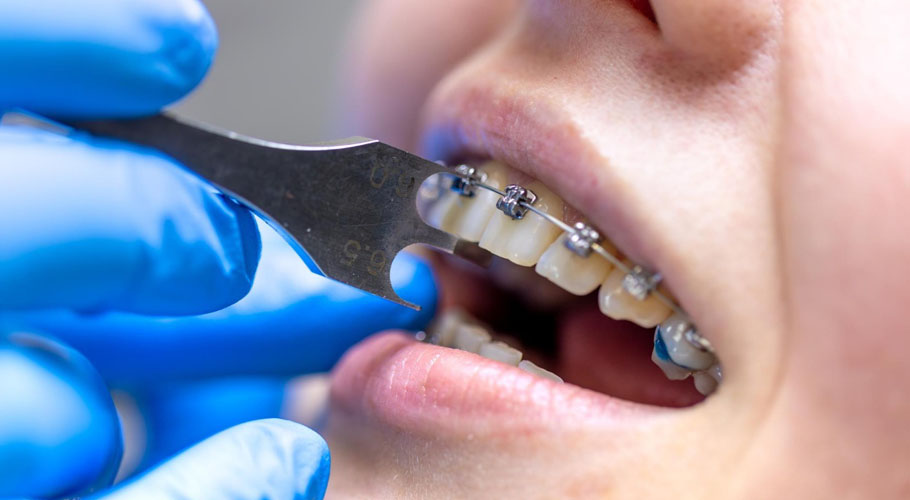
Metal braces are the most common and effective option for correcting mild to complex alignment problems. They consist of stainless-steel brackets and wires that are periodically adjusted to guide teeth into their correct positions.
2. Ceramic Braces
Ceramic braces function similarly to metal braces but use tooth-colored or clear brackets, making them less noticeable. They are often preferred by teenagers and adults seeking a more aesthetic option.
3. Lingual Braces
Lingual braces are attached to the inner surface of the teeth, making them virtually invisible during everyday activities. They are suitable for patients who want discreet treatment without compromising effectiveness.
4. Clear Aligners
Clear aligners are custom-made, removable trays that gradually shift teeth into alignment. They are popular among adults because they are comfortable, nearly invisible, and can be removed while eating and brushing.
Who Can Benefit from Orthodontic Treatment?
Your orthodontist may recommend treatment if you have any of the following conditions:
- Crooked teeth
- Crowded teeth
- Gaps between teeth
- Overbite
- Underbite
- Crossbite
- Open bite
- Jaw alignment problems
- Difficulty chewing food
- Speech difficulties related to tooth positioning
Both children and adults can benefit from teeth-straightening treatment. Early evaluation often allows problems to be identified before they become more complex, while adults can also achieve excellent outcomes with modern orthodontic techniques.
Benefits of Orthodontic Treatment
Straightening your teeth offers several health, functional, and cosmetic advantages.
Some of the major benefits include:
- Creates a straighter, more attractive smile.
- Improves bite correction and jaw function.
- Makes brushing and flossing easier.
- Reduces the risk of cavities and gum disease.
- Improves chewing efficiency.
- Helps prevent uneven tooth wear.
- May improve speech in certain cases.
- Boosts self-confidence and overall quality of life.
Investing in orthodontic care supports better oral health for years to come.
The Orthodontic Treatment Process
Every patient’s treatment journey is unique, but most follow these essential steps.
Initial Consultation
The process begins with an orthodontic consultation, during which the orthodontist examines your teeth, bite, and jaw alignment. Your concerns, medical history, and treatment goals are also discussed.
Diagnostic Evaluation
To understand your dental condition in detail, the orthodontist may recommend:
- Digital X-rays
- Intraoral photographs
- Digital scans or dental impressions
- Bite analysis
These records help create an accurate diagnosis and personalized treatment plan.
Customized Treatment Planning
Based on the findings, the orthodontist recommends the most suitable treatment option, whether metal braces, ceramic braces, lingual braces, or clear aligners.
You will also receive an estimated treatment duration and information about expected results.
Active Treatment
During this phase, braces are adjusted periodically, or aligners are replaced according to the prescribed schedule. Teeth gradually move into their ideal positions through gentle, controlled pressure.
Regular follow-up appointments allow the orthodontist to monitor progress and make any necessary adjustments.
Retention Phase
Once active treatment is complete, retainers are provided to maintain the new alignment and prevent teeth from shifting back to their previous positions.
How Long Does Orthodontic Treatment Take?
The duration of treatment varies depending on factors such as the following:
- Severity of the alignment problem
- Patient’s age
- Type of orthodontic appliance used
- Patient compliance with treatment instructions
Most patients complete treatment within 12 to 24 months, although some cases may require more or less time depending on individual needs.
Caring for Your Teeth During Treatment
Maintaining good oral hygiene throughout treatment is essential for achieving the best possible results.
Helpful tips include:
- Brush your teeth after every meal.
- Floss daily using orthodontic floss or floss threaders.
- Avoid sticky, hard, or chewy foods if you are wearing braces.
- Wear clear aligners for the recommended number of hours each day.
- Attend all scheduled follow-up appointments.
- Follow your orthodontist’s instructions carefully.
Good oral hygiene helps prevent cavities, gum disease, and treatment delays.
Frequently Asked Questions
1. Is orthodontic treatment only for children?
No. Both children and adults can benefit from treatment. Many adults choose clear aligners or ceramic braces because they are more discreet.
2. Does wearing braces hurt?
You may experience mild discomfort for a few days after braces are fitted or adjusted. This is temporary and usually improves without any complications.
3. Which option is better, dental braces or clear aligners?
The right option depends on your dental condition, lifestyle, and treatment goals. Your orthodontist will recommend the most suitable solution after evaluating your teeth.
4. Do I need to wear retainers after treatment?
Yes. Retainers help maintain the corrected alignment and reduce the chances of teeth shifting over time.
5. When should a child first visit an orthodontist?
Many orthodontists recommend an initial evaluation around the age of seven. Early assessment helps identify developing problems and determine whether treatment may be needed later.
Orthodontic treatment is an effective way to correct crooked teeth, improve bite alignment, and enhance both oral health and confidence. Modern treatment options, including metal braces, ceramic braces, lingual braces, and clear aligners, allow patients of all ages to achieve healthier, well-aligned smiles with greater comfort and convenience.
Every smile is unique, and the most suitable treatment depends on your individual dental condition and goals. Consulting an experienced orthodontist in Carrolton, TX, can help you understand your options, receive a personalized treatment plan, and begin your journey toward a healthier, more confident smile.