
Quick Answer
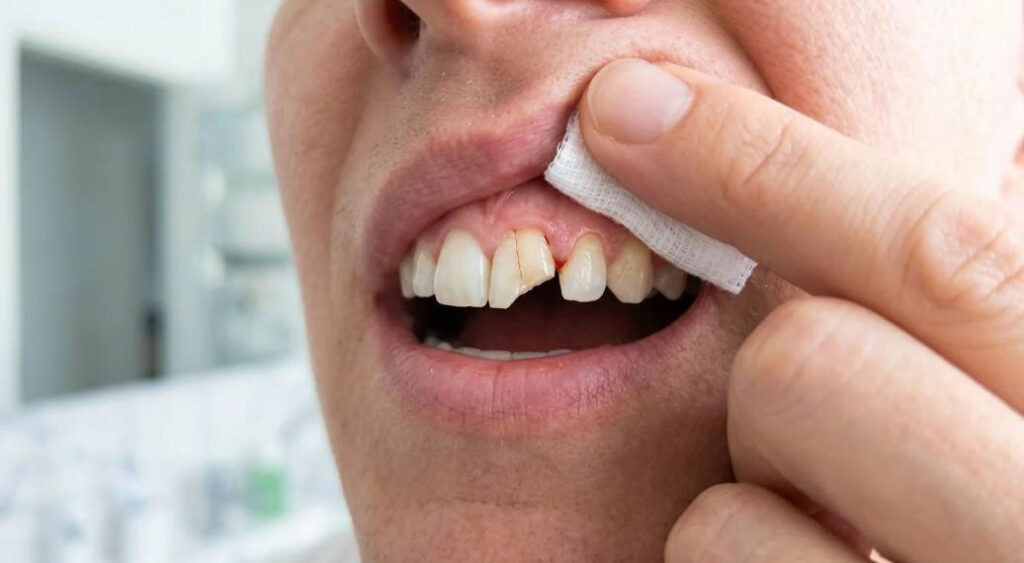
If you break a tooth, rinse your mouth gently with warm water, apply a cold compress to reduce swelling, and avoid chewing on the affected side. If possible, collect any broken tooth fragments and take them to your dental appointment. Seek prompt professional attention, especially if you experience severe pain, bleeding, swelling, or sensitivity. A dentist can examine the damage and recommend appropriate treatment, such as bonding, a dental crown, root canal therapy, or extraction.
Key Takeaways
- A broken tooth can expose sensitive inner layers and increase the risk of infection.
- Rinsing with warm water and applying a cold compress can help manage discomfort before your appointment.
- Avoid chewing hard foods or placing pressure on the damaged tooth.
- Treatment depends on the location and severity of the fracture.
- Severe pain, facial swelling, uncontrolled bleeding, or difficulty breathing requires urgent attention.
A sudden crack or break in a tooth can be alarming, particularly when it causes pain or makes eating uncomfortable. Whether it happens while biting something hard, during a sports activity, or after an accidental impact, dental damage should never be ignored. Even a small fracture can expose sensitive areas of the tooth and create an opportunity for bacteria to enter.
Knowing what to do immediately after a broken tooth can help protect the affected area while you arrange professional treatment. Although some minor chips may not cause significant discomfort, deeper fractures can affect the tooth’s nerves, blood vessels, and surrounding structures. Recognizing the warning signs and responding appropriately can make a difference in preventing further damage.
What Should You Do Immediately After Breaking a Tooth?
The first few minutes after a tooth breaks are important. Taking simple precautions can help minimize discomfort and protect the remaining tooth structure until a dentist evaluates the damage.
1. Rinse Your Mouth Gently
Rinse your mouth with lukewarm water to remove food particles, blood, and loose debris. Avoid vigorous swishing, especially if the damaged area is bleeding or sensitive.
If you notice bleeding around the tooth, place clean gauze over the affected area and apply gentle pressure. If bleeding does not stop or is heavy, seek urgent medical attention.
2. Apply a Cold Compress
If the surrounding gum or cheek becomes swollen, place a cold compress against the outside of your face for short intervals. This may help reduce swelling and provide temporary relief.
Avoid applying ice directly to the tooth or gum tissue, as extreme cold can increase sensitivity.
3. Save Any Broken Tooth Fragments
If you can find the broken pieces, collect them carefully and place them in a clean container. Bring them to your dental appointment. Although not every fragment can be reattached, your dentist can assess whether any portion may be useful during treatment.
4. Avoid Chewing on the Affected Side
Eating with a damaged tooth can worsen an existing fracture or cause additional pieces to break away. Choose soft foods and chew using the unaffected side of your mouth until you receive professional care.
Avoid hard, crunchy, sticky, and very hot or cold foods that could irritate the damaged area.
5. Protect Sharp Edges
A fractured tooth may leave rough or sharp edges that irritate your tongue, cheek, or lips. If necessary, temporary dental wax from a pharmacy can help cover the sharp area until your appointment.
Do not attempt to file, reshape, or glue the tooth yourself.
When Does a Broken Tooth Become a Dental Emergency?
Not every chipped tooth requires immediate treatment at an emergency facility. However, certain symptoms indicate that the damage needs prompt professional attention.
A dental emergency may involve more than visible damage. The underlying structures of the tooth and surrounding tissues may also be affected, even when the fracture appears relatively small.
Watch for these warning signs:
- Severe or persistent pain: Continuous discomfort may indicate damage to the inner pulp or surrounding tissues.
- Visible pink or red tissue: A pink or red spot inside the broken tooth may indicate that the pulp has been exposed.
- Significant swelling: Swelling around the tooth, gums, or face may suggest infection or deeper tissue injury.
- Uncontrolled bleeding: Persistent bleeding following an injury requires urgent evaluation.
- Loose or displaced tooth: A tooth that has shifted position or become unstable following trauma needs prompt assessment.
- Difficulty biting: Pain or discomfort when applying pressure may indicate a deeper fracture.
If you experience facial swelling with fever, difficulty swallowing, or difficulty breathing, seek emergency medical care immediately. These symptoms can indicate a potentially serious spreading infection or injury.
What Causes Teeth to Break or Crack?
Teeth are strong, but they are not indestructible. Everyday habits, accidents, and untreated dental conditions can weaken tooth structure over time.
Some common causes include:
Biting Hard Foods
Chewing ice, hard candy, unpopped popcorn kernels, or other hard objects can place excessive pressure on teeth. This may lead to small chips or more extensive fractures.
Sports Injuries and Accidents
Contact sports, falls, vehicle accidents, and accidental impacts can damage one or more teeth. Wearing a properly fitted mouthguard during sports can help reduce the risk of dental injuries.
Untreated Tooth Decay
Cavities gradually weaken the structure of a tooth. As decay spreads, less healthy tissue remains to withstand normal chewing pressure. Even biting into ordinary food may cause a severely decayed tooth to break.
Teeth Grinding
Repeated clenching and grinding, also known as bruxism, can place excessive pressure on teeth. Over time, this may contribute to cracks, worn enamel, and weakened tooth structure.
Large Existing Fillings
Teeth with extensive fillings may have less natural structure remaining. Depending on their condition, they can become more vulnerable to fractures during everyday chewing.
How Can an Emergency Dentist Treat a Broken Tooth?
The appropriate treatment depends on how much of the tooth is damaged, whether the pulp is affected, and whether the remaining structure can be restored.
An emergency dentist will generally examine the affected tooth, evaluate the surrounding tissues, and take dental X-rays when necessary. This helps determine whether the fracture is limited to the outer layers or extends deeper into the tooth.
Common treatment options include:
1. Dental Bonding
For minor chips and small fractures, dental bonding may be sufficient. The dentist applies tooth-colored composite resin to rebuild the damaged area and restore the tooth’s appearance.
This option is generally suitable when the fracture has not significantly weakened the tooth.
2. Dental Crowns
When a larger portion of the tooth is damaged, a dental crown may provide additional protection. The crown covers the remaining tooth structure and helps restore its shape, strength, and function.
Crowns are often recommended when a tooth has extensive damage but still has enough healthy structure to support restoration.
3. Root Canal Treatment
If the fracture exposes or damages the dental pulp, root canal treatment may be necessary. During the procedure, the dentist removes the affected pulp tissue, cleans the internal canals, and seals the tooth.
A crown may subsequently be recommended to protect the remaining structure, depending on the extent of the damage.
4. Tooth Extraction
Sometimes, a fracture extends below the gumline or into the root, leaving insufficient healthy structure for restoration. In these situations, extraction may be recommended.
The dentist will discuss possible replacement options, such as dental implants, bridges, or dentures, depending on the patient’s oral health and individual needs.
What Should You Avoid After Breaking a Tooth?
Certain actions can make the damage worse or increase the risk of complications before treatment.
Avoid the following:
- Do not chew on the damaged side of your mouth.
- Do not use your teeth to open packages or bite hard objects.
- Avoid extremely hot, cold, or sugary foods if the tooth is sensitive.
- Do not apply aspirin directly to the tooth or gums to relieve pain.
- Avoid attempting to reattach broken fragments with household adhesives.
- Do not delay professional evaluation simply because the pain has subsided.
Remember that reduced pain does not necessarily mean the tooth has healed. A fracture may still require treatment to prevent further damage.
How Can You Prevent Future Tooth Fractures?
Although accidents cannot always be avoided, certain habits can help protect your teeth from unnecessary damage.
- Wear a custom-fitted or properly fitted mouthguard during contact sports.
- Avoid chewing ice, hard candies, and other objects that place excessive pressure on teeth.
- Seek treatment for cavities before they weaken the tooth structure.
- Discuss nightguards with your dentist if you regularly grind or clench your teeth.
- Attend routine dental examinations to identify cracks, worn enamel, and other potential concerns.
- Follow your dentist’s recommendations for protecting teeth with large fillings or previous restorations.
Maintaining healthy enamel and addressing existing dental problems can help reduce the likelihood of fractures.
Frequently Asked Questions
1. Can a broken tooth heal on its own?
No. Unlike bones, broken tooth enamel does not regenerate. Minor chips may not require extensive treatment, but a dentist should evaluate the damage to determine whether repair or protection is necessary.
2. Should I go to the dentist if my broken tooth does not hurt?
Yes. A painless fracture can still expose sensitive tooth layers or worsen over time. Professional evaluation helps identify hidden damage and determine whether treatment is needed.
3. Can a broken tooth be saved?
Many broken teeth can be restored with bonding, crowns, or root canal treatment. However, extraction may be necessary when the fracture extends too deeply or the remaining tooth structure cannot support restoration.
4. How quickly should I see a dentist after breaking a tooth?
Contact a dentist as soon as possible. Severe pain, significant swelling, exposed pulp, uncontrolled bleeding, or a displaced tooth requires urgent attention. Even minor chips should be evaluated to prevent further damage.
5. What should I eat after breaking a tooth?
Choose soft foods that require minimal chewing, such as yoghurt, mashed potatoes, scrambled eggs, and soft-cooked vegetables. Avoid hard, crunchy, sticky, and extremely hot or cold foods until the tooth has been evaluated.
A broken tooth should never be dismissed, even when the damage initially appears minor. Prompt attention can help prevent additional fractures, reduce discomfort, and protect the remaining tooth structure. From simple bonding to crowns and root canal treatment, several options may help restore a damaged tooth depending on the severity of the injury. Recognising warning signs and avoiding unnecessary pressure on the affected area can also support better treatment outcomes.
If you have experienced a dental injury or are dealing with sudden tooth pain, seek professional evaluation rather than waiting for the symptoms to worsen. At Hebron Smiles, patients looking for an emergency dentist in Carrollton, TX, can receive prompt dental evaluations and treatment recommendations based on their needs. Contact the team to discuss your symptoms and find out what steps can help protect your smile.