
Quick Answer
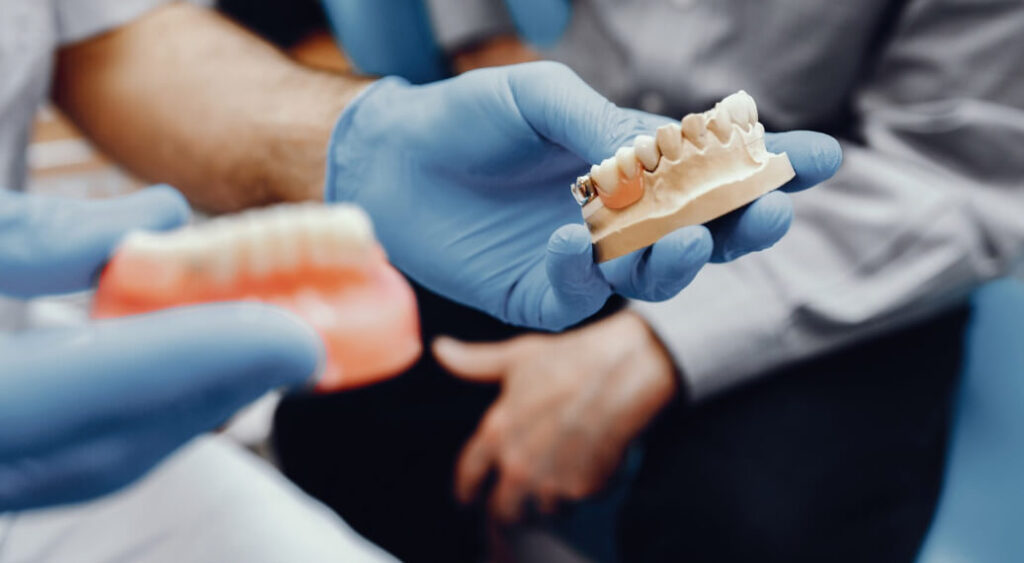
Modern dentures are designed to replace missing teeth while supporting comfortable eating, speaking, and everyday activities. Depending on your needs, options can include full dentures, partial dentures, and immediate dentures. Advances in materials and fitting techniques can also provide more natural-looking and comfortable results than older denture designs.
Key Takeaways
- Dentures can replace several missing teeth or an entire arch.
- Full, partial, and immediate dentures serve different dental needs.
- A proper fit is essential for comfort, speech, chewing, and stability.
- Same-day options may help eligible patients avoid being without teeth during the transition.
Losing teeth can affect much more than the appearance of your smile. Missing teeth may make chewing certain foods difficult, influence speech, and change the way the remaining teeth function. Modern dentures offer a practical way to replace missing teeth while restoring much of the function and appearance of a natural smile. Unlike older designs that were often associated with an artificial appearance or uncomfortable fit, today’s dentures can be customized to better match the shape of your mouth and facial features.
The right type depends on how many teeth are missing, the condition of your remaining teeth and gums, your oral health, and your personal needs. Understanding the available options can make it easier to discuss treatment with your dentist and know what to expect from the fitting process.
What Are Dentures?
Dentures are removable dental appliances designed to replace missing teeth and surrounding oral structures. They generally consist of artificial teeth attached to a supporting base that rests on the gums or is supported by remaining teeth or dental implants, depending on the type.
They can help restore several everyday functions, including:
- Chewing and biting
- Speech
- Facial support
- Smile appearance
- Confidence in social situations
Dentures may replace a complete set of teeth in an upper or lower arch, or they may replace only several missing teeth while the remaining natural teeth are preserved.
Types of Dentures Available Today
Full Dentures
Full dentures are designed for people who have lost all or most of the teeth in an upper or lower arch. A complete denture can replace the visible teeth while providing support for the surrounding facial tissues.
The upper denture generally gains additional stability from the shape of the palate, while lower dentures rest on the lower gum ridge and can require more attention to fit and stability.
Your dentist will evaluate the condition of your gums, jawbone, and any remaining teeth before determining whether a full denture is appropriate.
Partial Dentures
Partial dentures are used when some natural teeth remain. They fill the spaces created by missing teeth while helping prevent surrounding teeth from shifting into those spaces.
Depending on the design, a partial denture may use a framework or other components to improve stability. The exact design is based on the location of the missing teeth, the condition of the remaining teeth, and the patient’s oral anatomy.
Keeping the remaining natural teeth healthy is particularly important because they can contribute to the stability and function of a partial denture.
Immediate Dentures
Immediate dentures are prepared before planned tooth extraction and can be placed shortly after the teeth are removed. This approach can help patients avoid spending an extended period without replacement teeth.
Because the gums and underlying tissues change shape during healing, immediate dentures may require adjustments or eventually need to be replaced or relined once healing progresses.
What Are Same-Day Dentures?
For patients who need tooth extraction and replacement during the same period, same-day dentures may provide a way to transition to a denture without spending the day or an extended period without visible replacement teeth.
The exact process depends on the patient’s situation. In some cases, the denture is prepared in advance and inserted after teeth are removed. In other situations, laboratory or clinical factors may affect whether a same-day option is possible.
It is important to understand that immediate placement does not mean the final fit will remain unchanged throughout healing. As the gums and bone remodel after extractions, the shape of the mouth can change. Follow-up adjustments may therefore be necessary to improve comfort and stability.
Why Fit Matters So Much
A denture can look natural, but appearance is only one part of successful treatment. The way it fits can influence how confidently you eat, speak, and smile.
An unstable denture may move while chewing or talking. Poorly fitting dentures can also create sore areas where the appliance repeatedly rubs against the gums.
A proper fitting process considers the shape of the gums, jaw structure, bite, and relationship between the upper and lower arches. Your dentist may make adjustments during follow-up appointments to improve the way the denture sits and functions.
What Happens During the Denture Process?
Initial Evaluation
The process begins with an examination of your mouth and remaining teeth. Your dentist may evaluate your gums, jawbone, bite, and any teeth that may need extraction or treatment.
This assessment helps determine whether a full, partial, immediate, or another tooth-replacement option is appropriate.
Impressions and Measurements
Accurate impressions or digital scans help capture the shape and dimensions of your mouth. These records are used to create a denture that is designed to fit your oral structures.
Your dentist may also consider tooth size, shape, shade, and alignment when planning the appearance of the replacement teeth.
Fitting and Adjustments
Once the denture is ready, your dentist will check its fit and bite. Adjustments may be made if certain areas feel uncomfortable or if the denture does not make proper contact when you bite.
Some adjustment is normal, particularly during the early period of wearing a new denture.
Getting Used to New Dentures
Adjusting to dentures takes time. You may initially notice changes in how your mouth feels or how certain words sound. Your cheeks, tongue, and facial muscles need time to adapt to the new appliance.
Starting with softer foods and gradually introducing foods with different textures can make the transition easier. Cutting food into smaller pieces and chewing slowly on both sides of the mouth may also improve control.
Speaking aloud regularly can help you become more comfortable with the way your new denture feels during speech.
If discomfort continues or a sore spot develops, contact your dentist rather than trying to modify the denture yourself.
Caring for Your Dentures
Good maintenance helps protect both the denture and your oral health. Dentures should generally be cleaned regularly to remove food particles and buildup.
If you have a partial denture, cleaning your natural teeth remains especially important. Your gums and tongue should also be kept clean as part of your daily oral hygiene routine.
Depending on the type of denture and your dentist’s recommendations, you may need to remove the appliance at night and store it appropriately. Avoid using very hot water, which can potentially affect the shape of some denture materials.
Regular dental visits are still important even when you have complete dentures. Your dentist can examine your gums, assess the fit, and identify changes that may require adjustment or replacement.
When Should Dentures Be Replaced?
Dentures do not last forever. Changes in the jawbone and gum tissues can gradually affect how an older denture fits. Normal wear can also change the appearance and function of the artificial teeth.
Signs that your denture may need professional evaluation include:
- Increasing movement while eating or speaking
- Repeated sore areas
- Difficulty chewing
- Changes in speech
- Cracks or visible damage
- A noticeable change in the fit
Rather than continuing to use an uncomfortable appliance, a dental evaluation can determine whether an adjustment, reline, repair, or replacement is appropriate.
Frequently Asked Questions
1. Are dentures comfortable?
Modern dentures can be comfortable when properly designed and fitted, although some adjustment is normal when you first receive them. Persistent pain, irritation, or movement should be discussed with your dentist.
2. Can I eat normally with dentures?
Most people can return to a varied diet after adjusting to their dentures. Starting with softer foods and gradually introducing firmer textures can make the transition easier.
3. Are immediate and same-day dentures the same thing?
The terms are often used to describe dentures that are prepared for placement soon after teeth are removed. The exact process and terminology can vary depending on the dental practice and the patient’s treatment plan.
4. Do dentures look natural?
Modern dentures can be designed to closely resemble natural teeth. Tooth shape, size, shade, and positioning can be customized to create a more natural-looking result.
5. Can partial dentures prevent remaining teeth from shifting?
Partial dentures can replace missing teeth and may help maintain the spacing of the dental arch. However, they do not eliminate the need for good oral hygiene and regular dental care.
Modern dentures offer several options for replacing missing teeth while supporting everyday activities such as eating, speaking, and smiling. Full, partial, and immediate dentures serve different needs, so the right choice depends on your oral health, number of missing teeth, bite, and individual goals. Seeking dental care in Hebron can help you understand your tooth replacement options and choose a solution that supports your comfort, confidence, and long-term oral health.