
Quick Answer
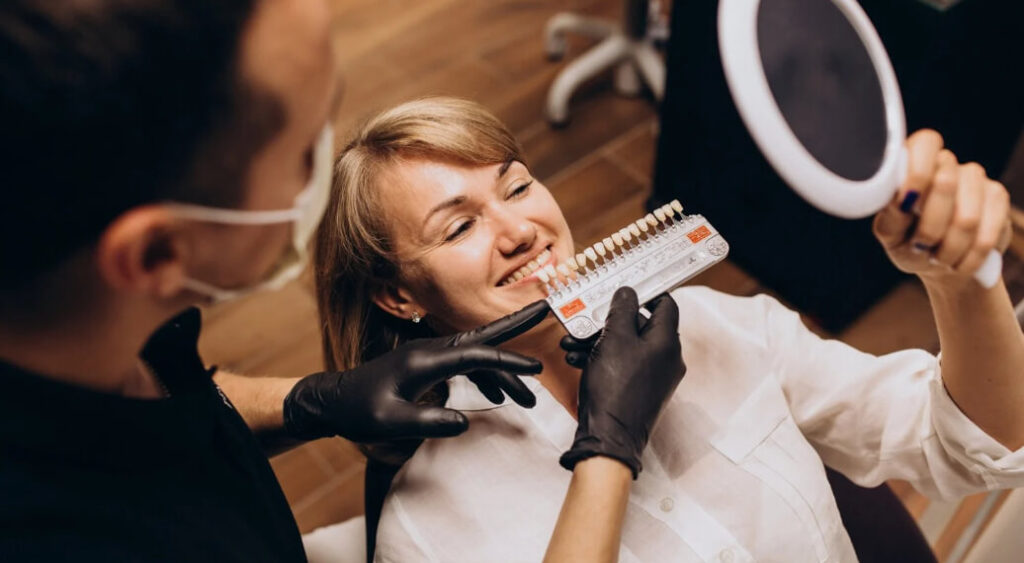
A smile makeover can involve much more than simply whitening your teeth. Depending on your needs, cosmetic options may address tooth shape, size, color, alignment, spacing, or damaged teeth. Treatments such as veneers, dental bonding, clear aligners, and dental crowns can be combined to create a more balanced and natural-looking smile.
Key Takeaways
- Cosmetic dentistry can address several concerns beyond tooth discoloration.
- Veneers, bonding, aligners, and crowns each serve different cosmetic and functional purposes.
- The right treatment depends on your teeth, gums, bite, and overall oral health.
- A personalized evaluation helps determine which combination can produce natural-looking results.
A brighter smile can improve confidence, but changing tooth color is only one part of cosmetic dentistry. A smile makeover takes a broader approach by considering the appearance of your teeth as a whole, including their shape, alignment, spacing, proportions, and overall harmony with your facial features. For some patients, whitening may be enough to achieve the desired improvement. Others may need additional treatments to address chips, uneven edges, gaps, discoloration, or teeth that appear too small or irregular.
Understanding the available cosmetic options can help you have a more informed conversation with your dentist. Instead of choosing a treatment simply because it is popular, the goal is to identify procedures that address your specific concerns while supporting healthy teeth and gums.
What Can a Smile Makeover Address?
Cosmetic dental concerns rarely exist in isolation. A person may have stained teeth along with small chips, uneven tooth lengths, or mild spacing. Treating only one issue may leave other concerns noticeable.
A cosmetic dental evaluation looks at the overall appearance of your smile and identifies which features could be improved. Common concerns include:
- Tooth discoloration or staining
- Chipped or cracked teeth
- Uneven tooth edges
- Gaps between teeth
- Mild crowding
- Misshapen teeth
- Worn-down teeth
- Small or disproportionately sized teeth
- Old dental restorations that no longer match surrounding teeth
The treatment plan can then be tailored around the concerns that matter most to you.
Cosmetic Options Beyond Teeth Whitening
Dental Veneers for Shape, Color, and Proportion
Thin dental veneers can be used to improve the appearance of teeth with certain cosmetic concerns. They are typically placed over the visible front surface of a tooth and can alter its apparent shape, size, color, and proportions.
Veneers may be considered when teeth have persistent discoloration that does not respond adequately to whitening, minor chips, irregular shapes, or noticeable differences in size. They can also help create a more uniform appearance when several front teeth have different cosmetic characteristics.
However, veneers are not appropriate for everyone. Healthy teeth and gums are important considerations, and your dentist will evaluate your bite and existing tooth structure before recommending them.
Dental Bonding for Minor Imperfections
For smaller cosmetic concerns, dental bonding can offer a more conservative option. Tooth-colored composite material can be shaped directly onto a tooth to improve its appearance.
This approach may be useful for minor chips, small gaps, uneven edges, or teeth that need slight reshaping. Because bonding can often be completed with less alteration to the natural tooth than some other cosmetic procedures, it may be suitable for patients with relatively minor imperfections.
The material can still require maintenance over time, particularly if it is exposed to habits that place excessive stress on the teeth.
Clear Aligners for Mild Alignment Concerns
Not every cosmetic concern is related to tooth color or shape. Crowded or slightly rotated teeth can affect how a smile looks, even when the teeth themselves are healthy.
Clear aligners may be an option for certain mild to moderate alignment concerns. These removable trays gradually guide teeth toward planned positions and can be less noticeable than traditional braces.
Improving alignment may also make teeth easier to clean in some cases. However, clear aligners are not suitable for every orthodontic problem, so an examination is necessary before treatment begins.
How Smile Correction Differs From Whitening
Whitening primarily focuses on changing the shade of natural teeth. It can reduce certain types of surface and internal discoloration, depending on the whitening method and the cause of the staining.
By contrast, smile correction can involve changing several visual aspects of the teeth. A patient may need to address uneven edges, spacing, tooth proportions, alignment, or damaged enamel rather than simply making the teeth lighter.
This distinction matters because whitening cannot correct every cosmetic concern. For example, it cannot reshape a chipped tooth or close a significant gap. Similarly, whitening does not straighten crowded teeth.
A treatment plan should therefore begin with identifying what is actually affecting the appearance of your smile.
When Whitening Is Still the Right Choice
Although there are many cosmetic procedures available, more treatment is not always better. If your teeth are healthy and your primary concern is staining or yellowing, whitening may provide the improvement you want without additional procedures.
Professional whitening can be particularly useful when discoloration has developed from certain foods and drinks, tobacco use, or natural changes that occur with age. Your dentist can also determine whether whitening is likely to work based on the type of discoloration present.
Existing crowns, veneers, and some other restorations do not respond to whitening in the same way as natural teeth. This is one reason professional guidance can be helpful when multiple cosmetic concerns are present.
Choosing the Right Combination of Treatments
A cosmetic treatment plan should be based on your individual smile rather than a fixed combination of procedures. Some patients may benefit from a single treatment, while others may require several steps.
Your dentist may consider factors such as:
Tooth and Gum Health
Cosmetic treatment generally works best when underlying oral health concerns have already been addressed. Cavities, gum disease, damaged teeth, or other problems may need attention before elective cosmetic procedures.
Your Bite and Tooth Alignment
The way your upper and lower teeth meet can influence which cosmetic treatments are appropriate. A treatment that looks good initially may not remain durable if excessive bite forces are present.
The Number of Teeth Involved
A single chipped tooth may only need bonding, while several front teeth with different shapes and colors could require a broader approach.
Your Desired Level of Change
Some patients want a subtle improvement that keeps their smile looking completely natural. Others may want a more noticeable transformation. Discussing your expectations helps your dentist recommend an appropriate treatment approach.
Keeping Cosmetic Results Looking Natural
Good cosmetic dentistry should complement your existing features rather than make your teeth look disconnected from the rest of your smile. Tooth color, shape, length, and proportion all contribute to the final appearance.
Maintaining good oral hygiene is also essential after cosmetic treatment. Regular brushing, flossing, dental checkups, and professional cleanings can help protect both natural teeth and restorations.
Habits such as biting hard objects or using your teeth to open packaging can also damage cosmetic work. Following your dentist’s care recommendations can help preserve your results for longer.
Frequently Asked Questions
1. Is a smile makeover only for people with severely damaged teeth?
No. Cosmetic dentistry can be considered for a wide range of concerns, from minor imperfections to multiple cosmetic issues. Treatment can be as simple or extensive as your individual needs require.
2. Can whitening be part of a smile makeover?
Yes. Whitening may be included when tooth discoloration is one of the concerns being addressed. However, other treatments may be needed if shape, alignment, spacing, or damaged teeth also affect the appearance of your smile.
3. Are veneers better than dental bonding?
Neither option is automatically better for every patient. Veneers and bonding have different uses, durability considerations, and treatment requirements. Your dentist can recommend an option based on the condition of your teeth and your cosmetic goals.
4. Can clear aligners improve the appearance of my smile?
Clear aligners can improve certain alignment concerns, including some forms of crowding and spacing. An orthodontic evaluation is needed to determine whether they are appropriate for your particular bite and tooth positions.
5. How do I know which cosmetic treatment I need?
An examination is the best starting point. Your dentist can assess your teeth, gums, bite, existing restorations, and cosmetic concerns before recommending an individualized treatment plan.
A brighter smile is only one aspect of cosmetic dentistry. Depending on your needs, veneers, bonding, clear aligners, crowns, or whitening may each play a role in improving the appearance and balance of your teeth. The most suitable approach depends on your oral health, bite, existing tooth structure, and desired outcome. Working with an experienced cosmetic dentist can help you understand your options and choose a treatment plan that aims for a healthy, balanced, and natural-looking smile.