
Quick Answer
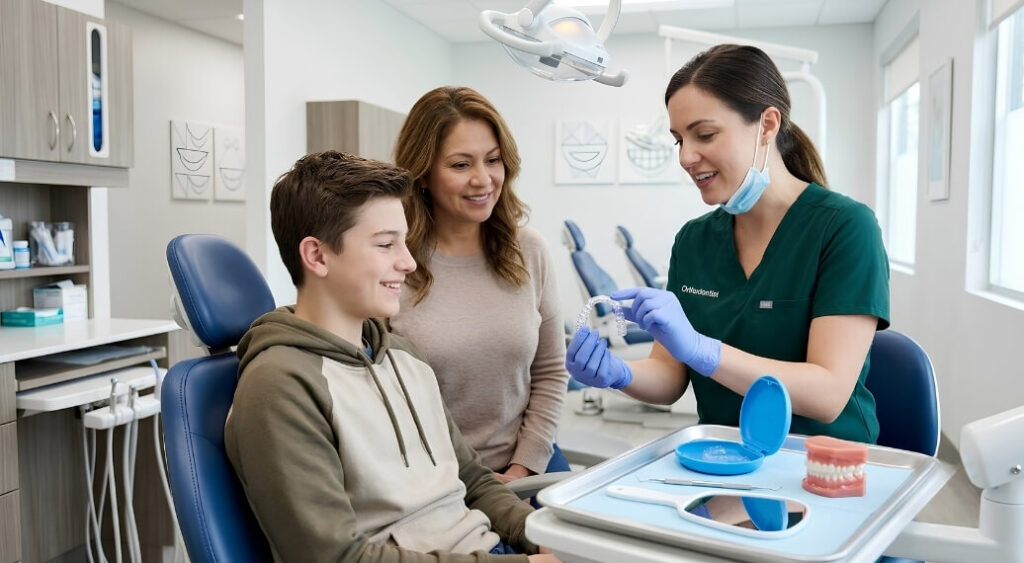
Clear aligners can be an effective orthodontic option for many teenagers with concerns such as crowding, spacing, or certain bite problems. The treatment uses a series of custom-made trays that gradually guide teeth into planned positions. Success depends not only on the aligners themselves but also on consistent wear, good oral hygiene, regular checkups, and following the orthodontist’s instructions.
Key Takeaways
- Clear aligners may be suitable for teenagers with several common alignment concerns.
- Consistent daily wear is essential because aligners only work when they are being used as directed.
- Good oral hygiene and responsible aligner care are important throughout treatment.
- Parents and teenagers should understand the expected commitment before starting orthodontic care.
For teenagers and their parents, clear aligner treatment can offer an alternative to traditional fixed braces while addressing many common orthodontic concerns. The removable trays are designed to gradually move teeth according to a personalized treatment plan. However, choosing aligners involves more than deciding whether they look less noticeable than braces. Families should understand how the treatment works, what daily responsibilities are involved, and whether a teenager is ready to manage the commitment.
How Do Clear Aligners Work for Teenagers?
Clear aligners are custom-made trays that fit over the teeth. Each set applies gentle, controlled pressure to specific areas, gradually encouraging the teeth to move toward their planned positions.
Rather than wearing one tray throughout treatment, patients typically progress through a series of aligners. Each stage is designed to make incremental changes, with the complete sequence based on the orthodontist’s treatment plan.
This approach can address certain cases of crowding, spacing, and bite misalignment. However, not every orthodontic problem can be treated with aligners in the same way. An examination is necessary to determine whether they are appropriate for an individual teenager.
What Should Parents Consider Before Treatment?
Teenagers often like aligners because they are less noticeable than conventional braces. Parents, however, may be more concerned about whether their child will follow the treatment instructions consistently.
That distinction matters because removable appliances require active participation from the patient. Unlike fixed braces, aligners can be taken out, which means a teenager must remember to put them back in after eating, drinking, brushing, or other activities.
Is Your Teen Ready for the Responsibility?
A teenager does not need to be perfectly organized to use aligners, but they should be capable of following a regular routine. Losing trays frequently, forgetting to wear them, or leaving them out for extended periods can interfere with planned tooth movement.
Parents can help by encouraging consistent habits without taking over the entire process. Simple routines, such as storing aligners in their case during meals and keeping the case in the same place, can reduce the chance of misplacing them.
Understanding the Clear Aligners for Teens Experience
The experience can be different from what teenagers expect. The trays may feel unfamiliar during the first few days, and mild pressure or tenderness can occur as the teeth respond to the planned movement.
Speech may also feel slightly different at first. Most patients gradually adapt as they become accustomed to wearing the trays.
One advantage is that aligners can usually be removed for meals. This allows teenagers to eat without navigating around brackets and wires. Nevertheless, the trays should be removed appropriately and stored safely whenever they are not being worn.
What Does the Treatment Process Involve?
Before treatment begins, the orthodontist evaluates the teeth, bite, jaw relationship, and overall oral health. Digital scans, photographs, or X-rays may be used when appropriate to develop a detailed treatment plan.
Once the treatment plan is established, a sequence of custom aligners is prepared. Each tray is intended to make a specific stage of tooth movement before the patient moves to the next one.
Following the Clear Aligners Treatment Process
The clear aligner treatment process requires more than simply changing trays according to a calendar. Follow-up appointments allow the orthodontist to check how the teeth are responding and determine whether treatment is progressing as expected.
Teenagers should bring their aligners to appointments when requested and report issues such as damaged trays, persistent discomfort, or difficulty keeping up with the prescribed schedule.
Treatment plans can sometimes be adjusted when tooth movement does not progress exactly as expected. This is one reason regular professional monitoring remains important.
How Much Time Should Teens Wear Their Aligners?
The prescribed wear time depends on the individual treatment plan, but aligners generally need to be worn for most of the day to provide consistent tooth movement.
Because they are removable, it can be tempting for teenagers to leave them out during school, social events, sports, or other activities. However, repeatedly extending the time without the trays can reduce the consistency of treatment.
Parents can support compliance by helping teenagers build aligner wear into existing daily routines. Reminders can also be useful during the early stages while the habit develops.
Eating, Drinking, and Oral Hygiene With Aligners
One of the practical benefits of removable aligners is that teenagers can generally take them out when eating. After meals, brushing before putting the trays back in can help limit plaque and food buildup.
Water is typically the simplest drink to have while wearing aligners. Other beverages may interact with the teeth or trays and should be discussed with the orthodontic provider.
Keeping the Aligners Clean
Aligners should be cleaned according to the orthodontist’s instructions. They should also be stored in their protective case whenever they are removed.
Good oral hygiene remains essential because aligners fit closely around the teeth. Brushing twice daily and cleaning between the teeth can help maintain healthy gums and reduce the risk of cavities during treatment.
What Happens If a Teenager Loses an Aligner?
Accidents happen, particularly with teenagers who are active at school, sports events, or social activities. A lost or damaged aligner should not simply be ignored.
Parents should contact the orthodontic office for guidance. Depending on where the patient is in the treatment sequence, the orthodontist may recommend using a previous tray, moving to another tray, or replacing the missing appliance.
Keeping the aligner case with the teenager can reduce the risk of trays being wrapped in napkins or accidentally thrown away during meals.
Can Teenagers Play Sports With Clear Aligners?
Many teenagers can continue participating in sports during orthodontic treatment. However, protective equipment may be recommended depending on the activity.
Teenagers involved in contact sports should discuss mouthguard use with their orthodontic provider. The type of protection may need to accommodate the aligners and provide appropriate coverage.
What Role Do Parents Play During Treatment?
Parents can help by supporting good habits rather than monitoring every moment of aligner use. Encouraging regular appointments, helping maintain supplies, and reminding teenagers about cleaning can make treatment easier.
It is also useful to explain why consistency matters. When teenagers understand that their daily choices can influence treatment progress, they may be more motivated to take responsibility for their orthodontic care.
Frequently Asked Questions
1. Are clear aligners suitable for every teenager?
No. Suitability depends on the type and severity of the orthodontic problem, dental development, oral health, and the patient’s ability to follow the treatment plan.
2. Are clear aligners painful?
Teenagers may experience mild pressure or temporary tenderness when starting a new aligner. This usually reflects the controlled forces being used to move the teeth.
3. Can teenagers eat while wearing clear aligners?
Aligners are generally removed for meals. They should be stored safely and replaced after eating and cleaning the teeth as instructed.
4. What happens if my teenager forgets to wear the aligners?
Occasional lapses may happen, but repeated or prolonged periods without wearing the aligners can affect treatment progress. The orthodontist can provide specific guidance based on the situation.
5. Will teenagers need retainers afterward?
In most cases, retention is recommended after active orthodontic treatment. Retainers help maintain the new tooth positions and reduce unwanted shifting over time.
Clear aligners can provide teenagers with a discreet and flexible approach to improving tooth alignment, but successful treatment requires commitment from both the teenager and their family. Consistent wear, proper cleaning, safe storage, and regular orthodontic visits all contribute to a smoother treatment experience. Families considering clear aligners in Carrollton, TX, can start with an orthodontic evaluation to determine whether this approach matches their teenager’s dental needs, lifestyle, and treatment goals.