
Quick Answer
Orthodontic treatment can help correct problems involving tooth alignment, spacing, and the way your upper and lower teeth fit together. While some orthodontic concerns are mainly cosmetic, others can affect oral hygiene, chewing, speech, and long-term dental health.
Five common signs that you may benefit from orthodontic care include:
- Crooked, crowded, or overlapping teeth
- Noticeable gaps between teeth
- Difficulty biting or chewing comfortably
- Jaw or bite problems
- Teeth that are difficult to clean properly
If these concerns are left unaddressed, they may become more difficult to manage over time.
Not every orthodontic problem is immediately obvious. Some people notice that their teeth are visibly crooked, while others may only recognize a problem when they experience difficulty cleaning their teeth, chewing, or keeping their bite comfortable.
Knowing the signs you need orthodontic treatment can help you decide when it may be worthwhile to schedule an evaluation. Orthodontic care is not limited to creating a straighter smile. It can also help improve how teeth come together and make certain aspects of daily oral hygiene easier.
Here are five signs that may indicate it is time to speak with an orthodontic professional.
1. Your Teeth Are Crooked or Crowded
Crooked teeth are one of the most recognizable reasons people consider orthodontic care. Teeth may overlap, rotate, or sit noticeably out of alignment because there is not enough room in the dental arch.
Crowded teeth can also make brushing and flossing more challenging. When tooth surfaces are difficult to reach, plaque and food particles may accumulate in areas that are harder to clean.
Orthodontic evaluation can determine whether alignment is affecting your oral health and whether treatment could help create a healthier, more balanced arrangement.
2. You Have Noticeable Gaps Between Your Teeth
Small spaces between teeth are not always a concern. However, larger or persistent gaps can sometimes indicate an underlying alignment issue.
Gaps may develop because of differences in tooth size, the way teeth are positioned, missing teeth, or other factors affecting the dental arches. Depending on the cause, orthodontic care may help move teeth into a more appropriate position.
If a gap has recently appeared or seems to be changing, it is worth discussing it with your dentist or orthodontic provider.
3. Your Bite Doesn’t Feel Right
Your teeth should come together in a way that allows you to bite and chew comfortably. If your upper and lower teeth do not align properly, you may have a bite problem.
Common concerns include an overbite, underbite, crossbite, or open bite. These conditions fall under a broader group of alignment issues known as malocclusion.
Some bite problems are easy to notice, while others may only become apparent when you have difficulty chewing, experience uneven tooth wear, or notice discomfort when closing your mouth.
An orthodontic evaluation can identify the type and severity of the bite issue and determine whether treatment may be beneficial.
4. You Have Difficulty Cleaning Certain Teeth
Even people who maintain a consistent oral hygiene routine can struggle to clean teeth that overlap or sit in unusual positions.
When teeth are crowded or significantly rotated, a toothbrush or floss may not easily reach every surface. This can make plaque removal more difficult and may contribute to problems such as tooth decay or gum disease.
Orthodontic treatment may help improve tooth positioning, making some areas easier to access during daily brushing and flossing.
However, straightening teeth does not replace good oral hygiene. Regular brushing, flossing, professional cleanings, and dental examinations remain important throughout treatment and afterwards.
5. You Experience Jaw Discomfort or Difficulty Chewing
Problems with tooth alignment can sometimes affect how your jaw moves and how your teeth meet during everyday activities.
You may notice symptoms such as difficulty biting into certain foods, an uncomfortable bite, or tension around the jaw. These symptoms can have several possible causes, so they should not automatically be attributed to an orthodontic problem.
If you regularly experience discomfort or notice that your bite feels uneven, a dental or orthodontic evaluation can help identify the underlying cause.
What Happens If Orthodontic Problems Are Left Untreated?
The consequences of delaying treatment depend on the specific problem and its severity. Not every alignment issue will necessarily worsen, but some untreated concerns can contribute to additional oral health challenges.
For example, crowded or overlapping teeth may remain difficult to clean, while certain bite problems can contribute to uneven wear on the teeth.
Some problems caused by misaligned teeth may include:
- Difficulty maintaining effective oral hygiene
- Increased plaque accumulation in hard-to-reach areas
- Uneven tooth wear
- Difficulty chewing certain foods
- Changes in how the teeth contact one another
- Greater difficulty maintaining a comfortable bite
This does not mean that every person with crooked teeth will develop these problems. The potential impact depends on your individual alignment, oral health, and other factors.
When Should You See an Orthodontist?
You do not have to wait until an orthodontic problem becomes severe before seeking professional advice. If you notice persistent crowding, spacing, bite changes, or difficulty keeping certain teeth clean, an evaluation can help you understand what is happening.
Parents may also want to seek an evaluation when a child’s permanent teeth are developing or when there are concerns about jaw growth or tooth positioning.
A professional assessment is the best way to determine when you should see an orthodontist, because symptoms that look similar can have different causes.
What Are the Treatment Options?
The appropriate treatment depends on your age, dental development, alignment concerns, bite, and treatment goals.
Traditional Braces
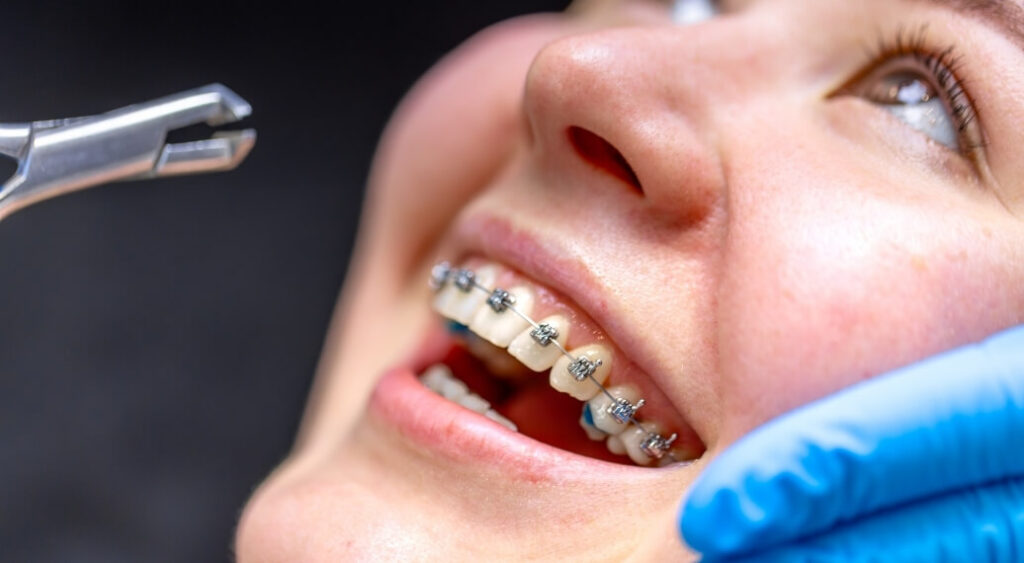
Traditional braces use brackets and wires to gradually move teeth into more appropriate positions. They can be used to address many types of alignment and bite concerns.
Clear Aligners
Clear aligners are removable trays designed to gradually move teeth. They are often chosen by patients who prefer a more discreet option.
Not every orthodontic case is suitable for clear aligners, so an evaluation is necessary before deciding which approach is appropriate.
Other Orthodontic Appliances
Some patients may benefit from additional appliances designed to influence tooth movement, jaw development, or bite alignment. The treatment approach is determined according to the individual’s needs.
What Are the Benefits of Straightening Your Teeth?
The benefits of straightening your teeth can extend beyond appearance. Depending on your specific condition, properly aligned teeth may be easier to clean and may function more comfortably during biting and chewing.
Orthodontic care may also help create a more balanced relationship between the upper and lower teeth. For many patients, improving alignment can also provide greater confidence in their smile.
The goal should be a healthy and functional result, not simply perfectly straight teeth.
Don’t Ignore Changes in Your Smile or Bite
A crooked tooth or small gap does not necessarily mean that you need orthodontic treatment. However, persistent changes in tooth position, difficulty cleaning certain areas, or an uncomfortable bite are worth discussing with a dental professional.
Early evaluation can help identify potential concerns and give you a clearer understanding of your options. If treatment is recommended, your dental team can explain the expected process, timeline, and type of orthodontic care that may be appropriate.
Frequently Asked Questions
1. How do I know if I need braces?
Signs may include crowded or crooked teeth, noticeable gaps, bite problems, difficulty chewing, or difficulty keeping certain teeth clean. An orthodontic evaluation is needed to determine whether braces or another treatment option is appropriate.
2. Can crooked teeth cause dental problems?
Crooked teeth can sometimes make brushing and flossing more difficult, particularly when teeth overlap or are tightly crowded. This may make plaque removal more challenging and can affect oral hygiene.
3. Can orthodontic problems get worse over time?
Some alignment or bite concerns can change over time, while others may remain relatively stable. The potential for progression depends on the specific condition, age, dental development, and other factors.
4. Is orthodontic treatment only for children?
No. Both children and adults can receive orthodontic treatment. The available options and recommended approach depend on the patient’s individual dental and orthodontic needs.
5. Are clear aligners suitable for everyone?
No. Clear aligners can be effective for many alignment concerns, but they are not appropriate for every case. A professional evaluation can determine whether clear aligners are a suitable option.
6. What should I do if I think I have an orthodontic problem?
Start by discussing your concerns with your dentist or an orthodontic professional. They can evaluate your teeth and bite and recommend whether further assessment or treatment is necessary.
If you have noticed crooked or crowded teeth, persistent gaps, or changes in the way your teeth fit together, an evaluation can help you understand your options. For patients considering orthodontic treatment in Carrollton, TX, the team at Hebron Smiles can assess your smile and discuss an approach suited to your individual dental needs.